


Each season brings its own demands on the body, and winter is no exception. Skin loses its luminosity, energy dips earlier in the day, sleep can become restless, and the cravings for warmth, comfort and carbs grow louder. As a Clinical Nutritionist, I see the same pattern in clinic year after year. Most women don’t need a complete overhaul this time of year. They need a reset: Five nutrient shifts, think of this as your winter wellness blueprint, the kind of subtle recalibration that has you stepping into spring already glowing
01 Top up your vitamin D | the sunshine nutrient your winter is missing.
Despite our reputation as a sun soaked region, Australia’s winter prevalence of vitamin D deficiency runs as high, with rates climbing the further south you live. Vitamin D is a steroid hormone that influences mood, immune resilience, skin barrier function, and bone strength, and there are very few foods that deliver meaningful amounts. Oily fish (salmon, sardines, mackerel), egg yolks, mushrooms and fortified products are your best dietary sources. Many women benefit from a winter supplement; a typical dose is 1000 IU of vitamin D3 daily, ideally taken with a meal containing fat for absorption. Always check with your healthcare practitioner before starting a new supplement, particularly if you take regular medications.
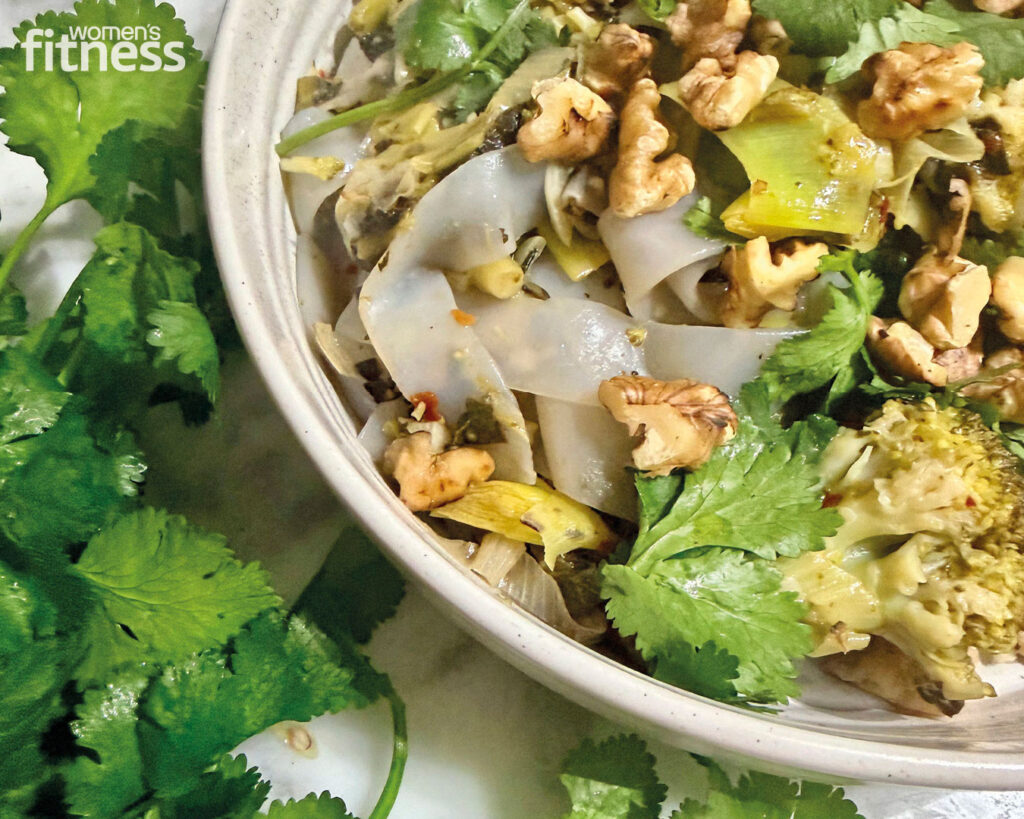
02 Anchor your week in omega-3s | hydration that works from the inside out.
Winter air, indoor heating, and longer hot showers are a triple threat to your skin barrier. Omega-3 fatty acids (EPA and DHA) are incorporated directly into skin cell membranes, helping the barrier hold onto moisture and reducing inflammatory pathways linked to dullness, dryness and breakouts. Recent randomised controlled trial evidence in healthy adults shows that improving your omega-3 status is associated with measurable improvements in skin hydration, elasticity, and reduced water loss through the skin. Aim for oily fish (salmon, sardines, mackerel) two to three times a week. Plantbased? Combine ground flaxseed, chia, and walnuts daily, and consider an algae based EPA/DHA supplement if your intake is low. The bonus: omega-3s also support mood and cognitive performance through the long winter months.
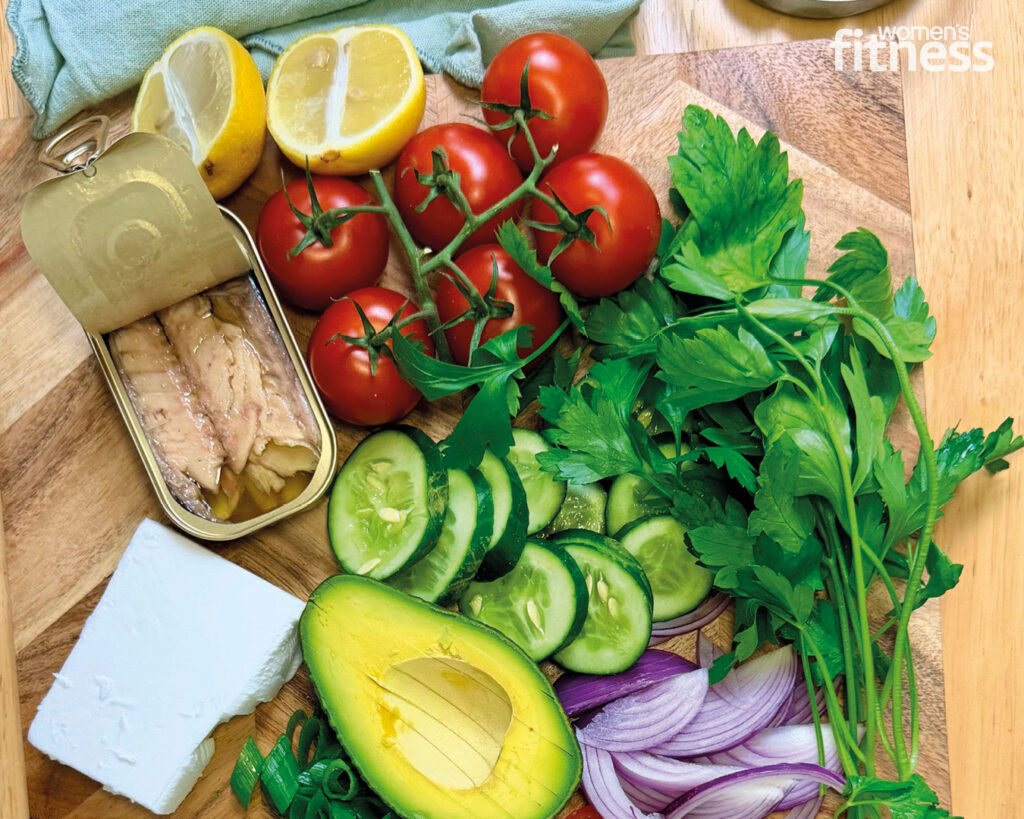
03 Treat protein as non-negotiable | the foundation of strength and glow.
If there is one shift I would encourage every woman to make this winter, it is this. Protein is the building block of collagen, immune cells, hormones, hair, nails, and the lean muscle that protects metabolism through midlife and beyond. Recent reviews recommend that women, aim for around 1.0 to 1.2 grams of protein per kilogram of body weight daily, with 25 to 30 grams distributed across each main meal. Build meals around quality sources: eggs, Greek yoghurt, salmon, chicken thigh, lean beef, tofu, tempeh, lentils, chickpeas, and quality protein powders if you need a top up.
04 Eat the rainbow, even when it’s grey outside| antioxidant armour for skin and cells.
It is tempting to default to beige food in winter. The trouble is that polyphenols, the colourful plant compounds in berries, dark leafy greens, beetroot, pomegranate, extra virgin olive oil, dark chocolate, herbs and spices, are the very compounds that protect your skin from oxidative stress, support collagen integrity, and dampen the low grade inflammation that quietly accelerates aging. Recent evidence supports the role of flavanols and polyphenols in slowing visible signs of skin aging. Easy winter wins: frozen berries on porridge, a generous drizzle of extra virgin olive oil over roasted vegetables, a square of 70%+ dark chocolate, green tea instead of a third coffee, and herbs and spices (turmeric, rosemary, cinnamon, garlic, ginger) in everything you cook.
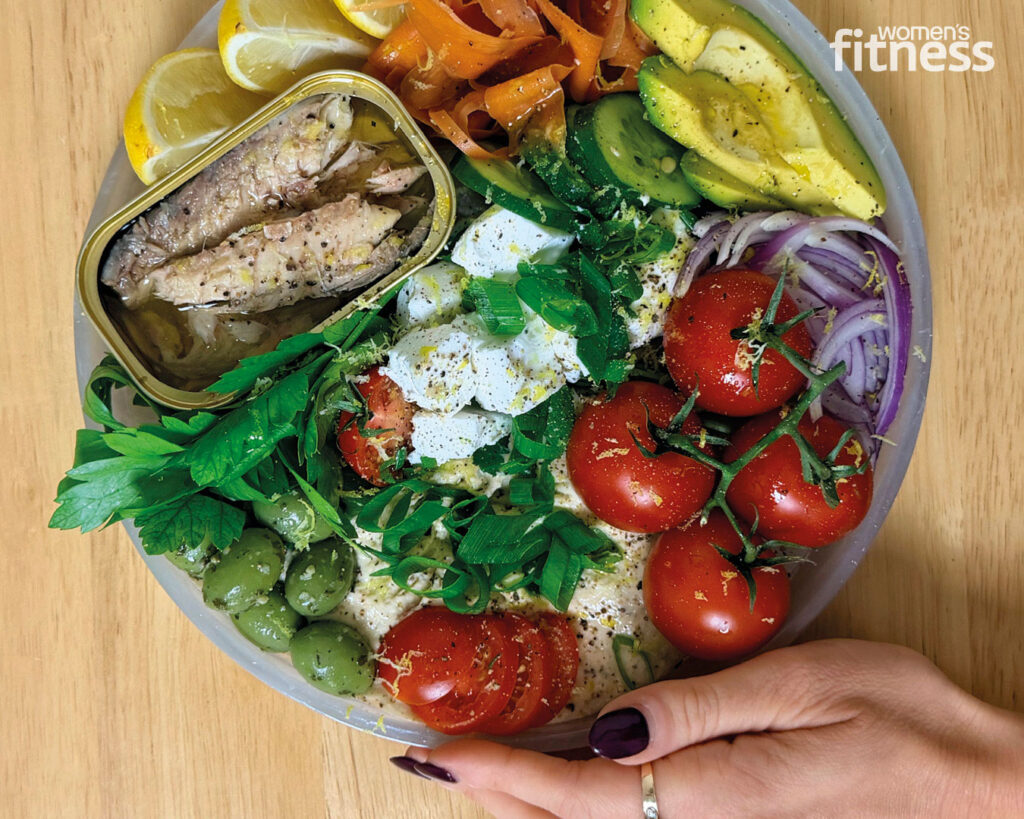
05 Get serious about magnesium | the calm and glow mineral most women under eat.
Magnesium regulates the stress response, supports sleep, muscle recovery and skin cell repair. A 2025 randomised placebo-controlled trial in healthy adults reporting poor sleep found that magnesium bisglycinate (250 mg of elemental magnesium daily) significantly improved insomnia symptoms over four weeks, with the strongest effects in those with lower dietary intake at baseline. Food first sources include pumpkin seeds, almonds, dark leafy greens, black beans, avocado, and dark chocolate.
Jacinta Radziejewski is a Clinical Nutritionist and wellness speaker. Through her practice, Nutrition with Jacinta | Radiance Within, she shares science-backed strategies for gut, skin, and mind health that help women feel energised, balanced, and radiant. Connect with her on Instagram @jacintaradziejewski, on YouTube at ‘The Radiance Kitchen’ and find her online at nutritionnwithjacinta.com for more nutrition insights, recipes, and everyday wellness inspiration.


